What Really Motivates Students to Learn? Four Shifts for Fostering Engagement

Key Takeaways
- Passion sparks engagement: Students learn best when they explore topics they genuinely care about.
- Relevance sustains motivation: Connecting learning to students’ lived experiences keeps curiosity alive.
- Challenge builds growth: Giving students meaningful problems to solve turns learning into purpose.
- Guidance fuels confidence: When teachers coach from the side, students feel seen, capable, and inspired to lead their own learning.
Only two things spark learning: desire and necessity. If ever stranded on a deserted island, I’ll learn to make a fire (hopefully). My survival depends on it. I might even learn to weave baskets if I decide to pass the time that way.
While we most often send students to school out of necessity, their desire is the doorway to learning. Student learning and engagement, then, is really about motivation.
Maybe you’re like me and have asked this question at some point in your career: what more can I do to motivate my students to learn? This teacher-centered query subtly reveals the pressure and insecurity we teachers face daily. Looking back, I think I asked the right question but the wrong way. What if we approached the challenge of engaging students in a way that placed them at the center? We might ask this, instead: What already motivates my students to learn?
This question can be just as scary, because it acknowledges a truth we’d rather ignore - for all the hoops we jump through, the slide decks we agonize over, the time we spend crafting fun activities, and the effort we give in providing quality feedback, none of it guarantees that our students will actually learn anything.
That said, keeping students (and not our practice) at the core of our quest to optimize their engagement reveals an exciting path forward.
Educator and writer David Stuart, Jr. explains that what students believe about their learning is directly related to their learning experience and performance. Cultivating five key beliefs, he argues, fosters the motivation students need to engage well.

Admittedly, fostering these beliefs is a masterful combination of skill and art. Here are four simple yet powerful practices for improving student engagement.
Start with passion
A few of GOA’s course offerings exist because schools need them. The majority run semester after semester because students want them. Aspiring legal and medical professionals fill Introduction to Legal Thinking and Medical Problem Solving, respectively. Artists of all kinds hone their craft or explore new forms with Architecture, Creative Nonfiction Writing, Graphic Design, or Filmmaking, to name a few. Students looking to get a leg up on the competition flock to Business Problem Solving, Investing, or Arts Entrepreneurship. Future (or current) tech wizzes engage in Cybersecurity or Computational Thinking. And students yearning for systemic social change pursue Climate Action & Sustainability, Prisons and Criminal Justice Systems, or Genocide and Human Rights. And the list goes on.
When it comes to engagement, nothing trumps a student’s desire to explore. If we build classrooms that cater to their passion, students will come. And when we don’t have that luxury, we…
Lead with relevance
Anyone who’s gone fishing (or watched a commercial for the Discovery Channel) knows that fish on the hook don’t always make it to the boat. While the struggle to reel in a fish might be entertaining on the water, it’s not so fun in the classroom. Sustaining quality engagement happens when a student’s passion is consistently met by relevant learning opportunities. Students have little trouble attaching attention and effort to content, questions, and challenges linked to things they care most deeply about.
For example, GOA students begin their Race & Society course by sharing their “name story”, in which they examine and discuss the origins, meaning, and impact associated with our simplest and most cherished possession. Similarly, Introduction to Psychology students wade into basic approaches to the field by analyzing their own habits, memories, and family rituals before considering historical case studies.
If we want greater engagement, we might need to shelve some of what’s important to us in favor of what’s important to our students.
Raise the challenge
Few students enjoy sitting while taking notes, listening to lectures, completing worksheets, etc. Sure, these might be necessary skills at a few moments in life. But most students relish an opportunity to prove that they’re awesome. Why not let them?
Geometry takes on new life when students are invited to design housing that addresses urban development challenges. Uncovering the impact of local invasive species pushes biology into the community. Language skills and historical analysis find purpose when we challenge students to curate stories of their town’s elderly population.
This focus on cultivating transferable skills is the foundation of GOA’s Global Capstone, in which we challenge students to demonstrate how they might apply concepts and skills learned in their course to the world around them. We nudge students to ask mind-bending questions and theorize like Avi who wonders if generative AI can replicate the human experience needed to create music. We can challenge students to use their passion to address a social problem like Kiha who explored ways art might “bridge the psychological distance of environmentalism”. We invite students to reflect on their growth like Katie who shared her artist journey.
After challenging students like this in my classroom, I often asked myself: what took me so long?
Guide from the side
Learning by doing is often more messy than other methods, yet challenge builds deeper learning. This is especially true when students have supportive teachers guiding from the side. Picture our classrooms - abuzz with students driving their own learning, fueled by passion, their ownership keeping the pedal to the metal. Then picture us - diving into the passenger seat with our best coaching and cheerleading skills, asking strategic questions, listening genuinely, responding empathetically, and affirming progress while confronting mediocrity. The result? Our students know they are seen, heard, valued, capable, and on the way to something great. As Ms. Pierson would say, they have a champion.
Each year, GOA students tell us that their relationships with GOA teachers are the best part of their experience. This isn’t random. We’ve designed our educational spaces and experiences for this effect with the mindset described above.
Our students can engage deeply, and we can help them. But it’s just that - help. It always starts and ends with them. This year, let’s invest in feeding and celebrating the insatiable hunger for learning our students naturally possess.
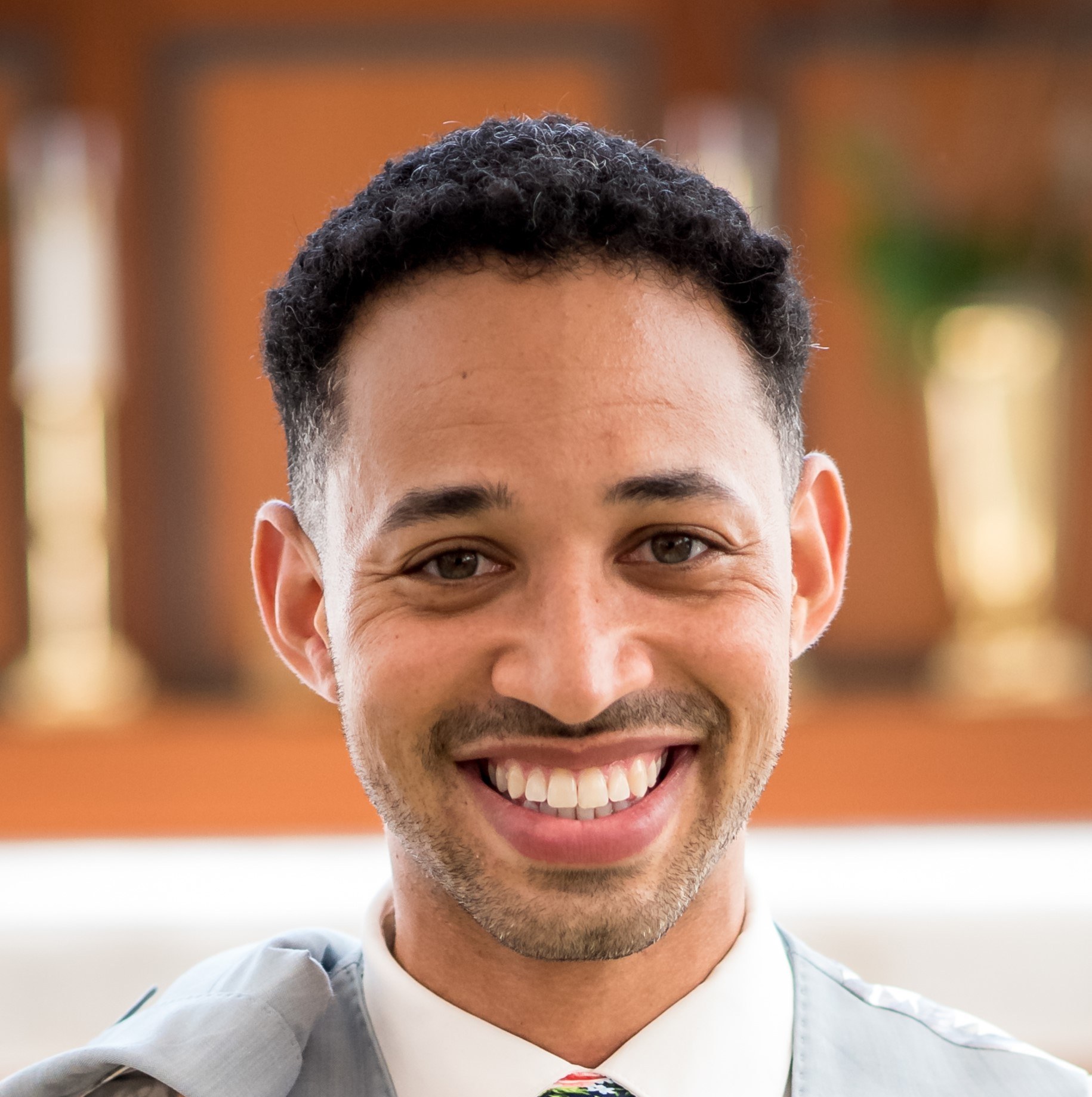
Micah Whitley
GOA Associate Director of Student Experience
Micah R. Whitley serves as Associate Director of Student Experience. He is passionate about cultivating and empowering communities of belonging, purpose, and impact. His work focuses on calling students and educators to environments in which both are changed for good. Micah tried to avoid the world of education at first, but he couldn't escape the calling. After several years with non-profit programs in partnership with public school systems, he found a home in the classroom helping middle and high school students enjoy exploring English, philosophy, and religion. Prior to joining GOA in 2023, Micah led an initiative to reimagine the advisory program at Palmer Trinity School in Miami, FL. He currently lives outside of Miami along with his two best friends: his wife and daughter.
For more, see:
- Beyond Detection: How Belonging Shapes Academic Integrity in the Age of AI
- Creating a Cohort Model to Boost Engagement and Connection
- Assessing Growth and Mastery: How Capstone Promotes Feedback, Iteration, and Reflection in Student Learning
This post is part of our Shifts in Practice series, which features educator voices from GOA’s network and seeks to share practical strategies that create shifts in educator practice. Are you an educator interested in submitting an article for potential publication on our Insights blog? If so, please read Contribute Your Voice to Share Shifts in Practice and follow the directions. We look forward to featuring your voice, insights, and ideas.
GOA is a nonprofit learning organization that reimagines learning to empower students and educators worldwide. In partnership with our global network of 150 schools, we provide interactive, relationship-driven courses, expert resources, and innovative thinking that help to expand and elevate academic programs. Together, we help students and educators become open to the extraordinary.
Follow us on LinkedIn for the latest learning opportunities and news. Sign up for GOA Insights, our newsletter focused on innovative ideas and best practices for the future of learning. Become a Member School.


