Show, Don't Just Tell: Preparing Meaningful Displays of Student Work

The PLaybook - September 2026
Finished work earns its place on the wall. So does the messy, in-process work that produced it: the first draft with a paragraph crossed out, the sticky note with a question nobody has answered yet, the second attempt at a lab that went wrong the first time. When families see only the polished piece, they learn that a student can finish. When they also see how the work got there, they learn that a student can think, which is the harder thing to show and the more important one.
This PLaybook takes a both/and approach to showing student work this fall. It gives your team three ways to put the process next to the product, whether the work is headed for a hallway wall, a folder home, or a table at back-to-school night.
What's inside this PLaybook
The scenario might be back-to-school night or a hallway wall, but the work underneath is how teachers set the stage for quality work to be shown meaningfully, and how students build pride and ownership over what they show. This issue sits in the content corner of the Educator Growth Framework, where subject expertise meets the question of how learning gets demonstrated. As generative AI makes polished products easy to produce, the process behind the work is what proves a student did the thinking, and it is what most displays leave out.
August's PLaybook was about getting to know who's actually in the room, with three ways to learn about new students before the year is fully underway.
Did you use August's PLaybook and activities?
We used it Saved for later Not this one
Need a refresher? Revisit August's PLaybook ↗
Why this matters now
Ron Berger, a longtime public school teacher and the author of An Ethic of Excellence, built his classroom around a simple idea: student work deserves a real audience, and the drafts, critique, and revision behind it are part of the work, not the mess before it. As GOA's John Sember writes in Why Student Artifacts of Excellence Are More Important Than Ever, "As generative AI becomes increasingly capable of producing polished work in seconds, Berger's vision becomes even more urgent."
Three activities to try
A Classroom Wonder Wall for the First Unit
What are students still asking after the first unit?
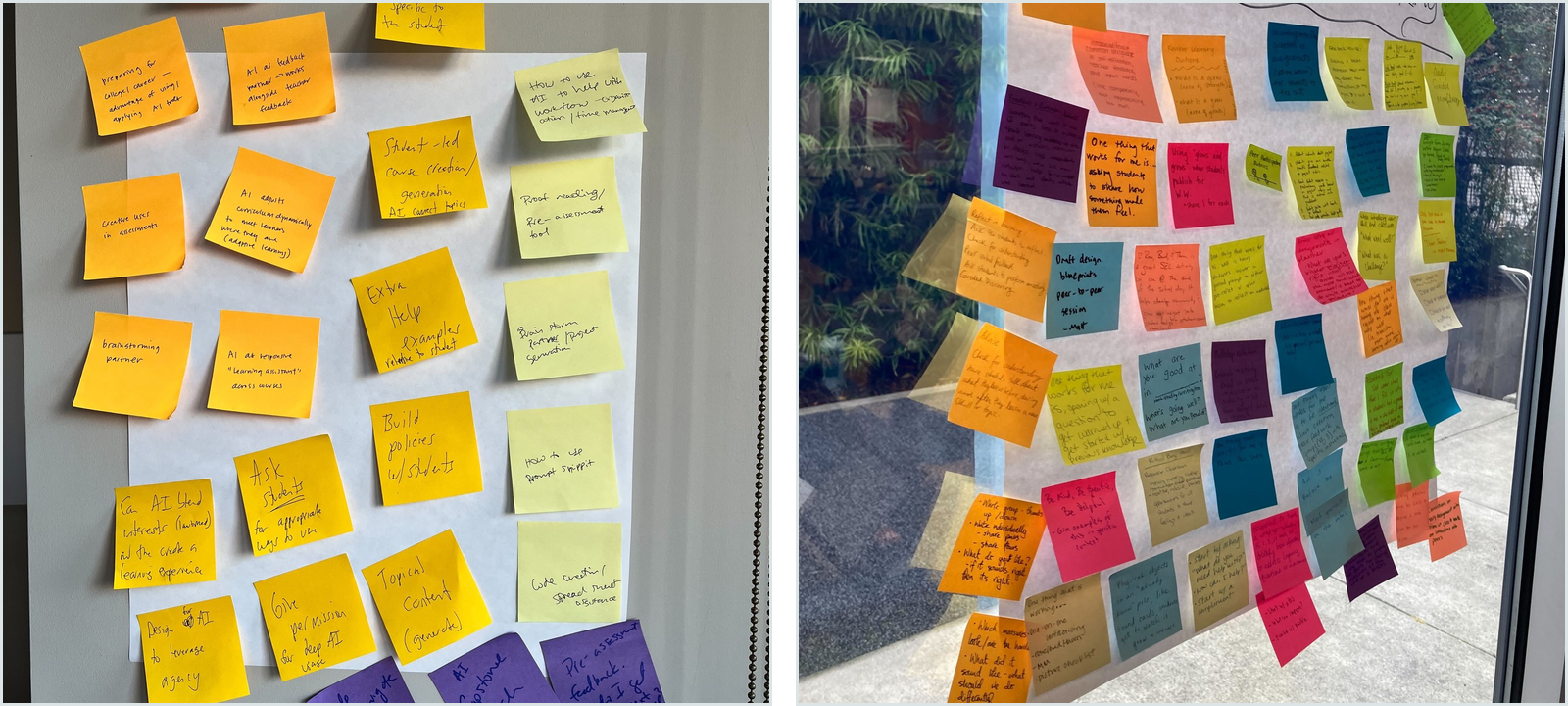
Set up a shared space where students post questions sparked by their first project or unit. Make that wall part of what's visible at back-to-school night, alongside the finished work, so families see curiosity and thinking in motion, not just a polished poster.
Process Portfolios
Who will see this work, and will they see how it got there?
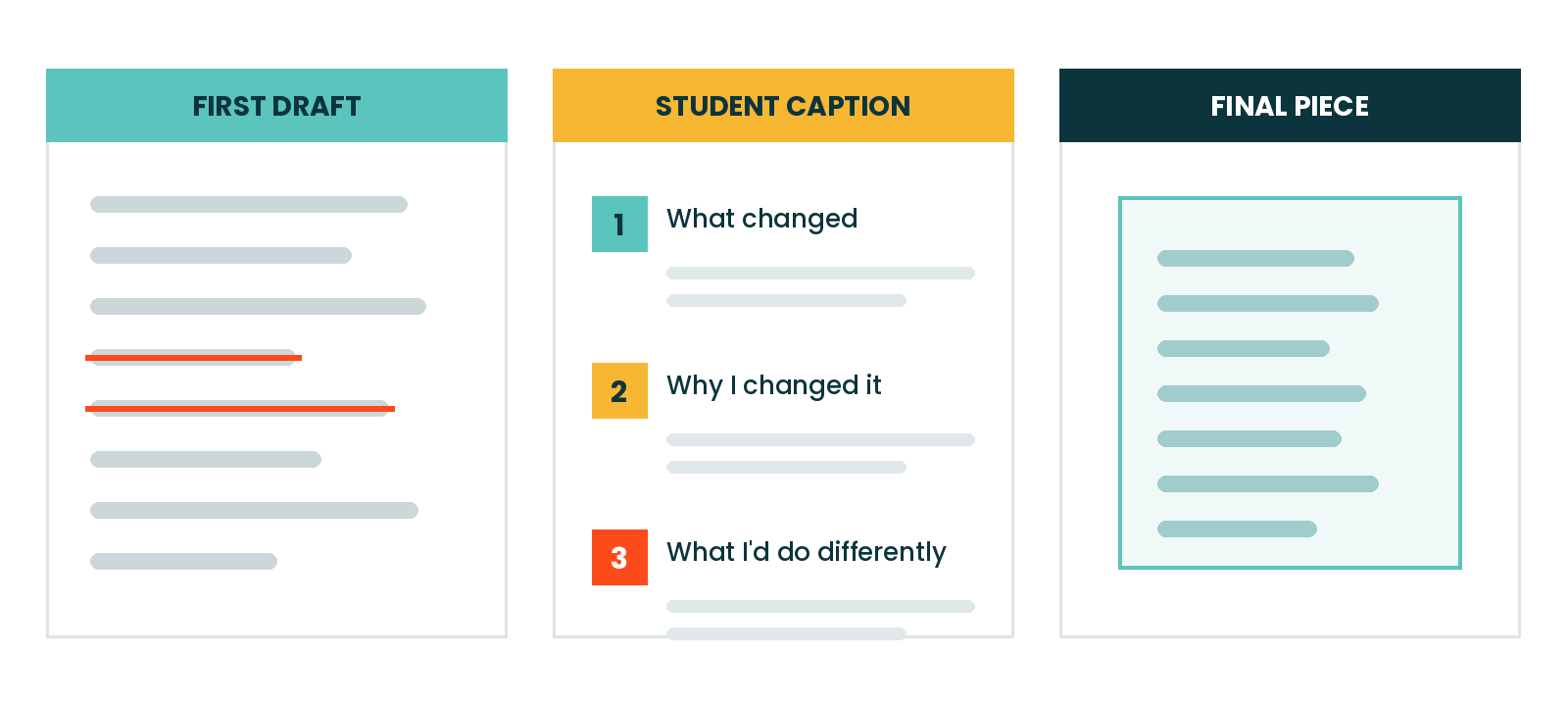
Start a process portfolio with one assignment from the first unit. Each student keeps an early draft and writes three sentences about what changed between it and the final, and why. Display the draft, the caption, and the finished piece side by side, so whoever sees the work also sees how it got there.
AI-Assisted Celebratory Overviews
What can we tell each student about their growth before conferences?
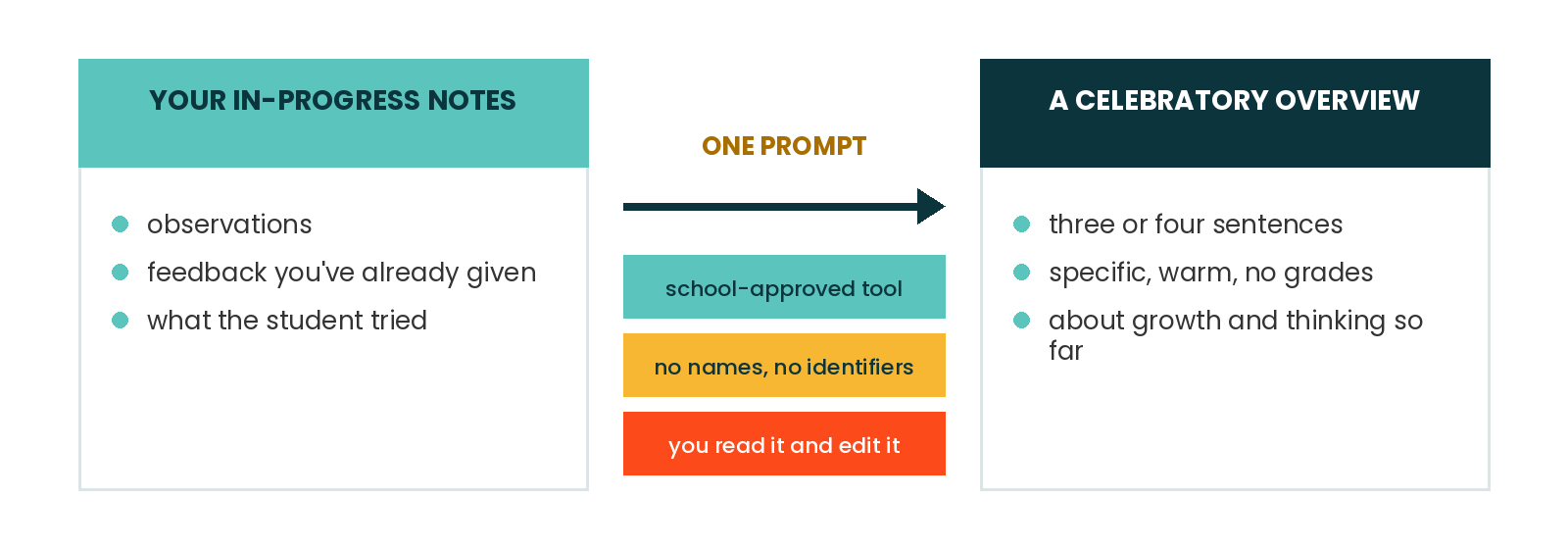
Use AI to help synthesize your own in-progress notes and feedback on each student into a short "celebratory overview," a few sentences on that student's growth and thinking so far. Place it on their desk or share it at back-to-school night as an early, lower-stakes complement to conference-time reports.
See this in practice
At GOA, process portfolios live inside the Global Capstone, the end-of-term project in most courses. GOA's Natalie Broderick describes the everyday version: “Process portfolios don’t have to be complicated: many courses use a ‘planning doc’ which is an organizer of their work toward the Capstone project. Students use this to keep all their materials together and submit a link to it as each section is assigned and completed.” Her Abnormal Psychology planning doc shows what a semester of that looks like in one document.
At The American School in Japan, teacher Meagan Frazier ensures students not only share their final products but also the process behind their work and their thinking.. Students write in shared Google Docs so all their work is visible. Every assignment states the level of AI use allowed. Students assign themselves a transparency level for how they used AI, and after running an early draft past the class writing coach, they reflect on any feedback they received and what changes they made as a result of the feedback.. The finished product includes the visible process as well.
Read Meagan's two-part series, The AI Classroom: Part 1 · Part 2
Where the two examples above put process next to product, this one shows the other idea Berger's quote points to: a real audience. At Miller School of Albemarle, the students from the “Life 101” class invite parents and staff into the classroom as guest experts on essay writing and college applications. Every visitor who gives their time leaves with a personally written note of thanks from a student, turning a classroom skill of writing thank you notes into an authentic demonstration of learning. This practice gives students a real-world audience for their writing early in the year.
This month's PLaylist: Making the process visible
- Why Student Artifacts of Excellence Are More Important Than Ever (GOA). This post makes the case that when AI can produce a polished product in seconds, the drafts and thinking behind the work are what prove learning happened.
- Seven Teaching Practices that Nurture Student Voice (Cult of Pedagogy). This post shares seven classroom practices that put students' own thinking and choices at the center of the work they produce.
- Doodlers, Unite! (Sunni Brown's TED Talk). This is a six-minute case that doodling is deep thinking in disguise, not a distraction from it.
- Lynda Barry's Illustrated Field Guide to Keeping a Visual Diary (The Marginalian). This is a close look at why Barry values the messy, observing notebook over the polished, gallery-ready page.


